Authors: Ruvini Vithanage and George Zhou
Introduction
Traditional approaches such as extensive note-writing and passive reading are familiar study methods for many trainees. While these strategies may have been sufficient for earlier exams, they are often not enough on their own for the breadth and depth required in the CICM fellowship examination. There are several evidence-informed techniques, grounded in cognitive science and medical education research, that can significantly enhance learning and retention. Understanding how memory works, and how it fails, allows study time to be used more effectively. Forgetting is a normal and healthy process, which means a strategic approach is required to retain and retrieve the large volume of knowledge expected in this exam. The following section outlines practical techniques supported by cognitive science and instructional design to help you study efficiently and with intention.
Memory Science
- Working memory is limited; long-term memory is vast — encode deliberately
- Retrieval strength declines without repeated access — passive exposure is not enough
- Fellowship preparation must prioritise repeated retrieval over passive reading
Several established learning theories from cognitive science underpin effective retention of large volumes of information. The following concepts form the foundation for the study strategies discussed later.
For information to be retained, it must first pass through working memory, which has limited capacity. Long-term memory, by contrast, has vast storage potential. Once encoded, the durability of that information is referred to as storage strength (Bjork & Bjork, 1992). However, storage alone is insufficient. The accessibility of knowledge, termed retrieval strength, depends on how frequently and recently it has been accessed and the contextual cues associated with it. The “new theory of disuse” proposes that when memories are not retrieved, retrieval strength declines over time, leading to forgetting, even if storage strength remains intact (Bjork & Bjork, 1992). Fellowship preparation must therefore prioritise repeated retrieval, not passive exposure.
The Challenge Point Framework further suggests that learning is optimised when tasks are sufficiently difficult to require effort, but not so difficult that they overwhelm performance (Guadagnoli & Lee, 2004). Improvement occurs at the edge of current capability — not within comfort.
Cognitive Load Theory provides additional structure for understanding learning efficiency (Sweller, 1988). It distinguishes between:
- Intrinsic load – the inherent complexity of the material or task.
- Germane load – the cognitive effort devoted to constructing and strengthening long-term memory.
- Extraneous load – unnecessary cognitive demands imposed by distraction, poor organisation, or competing tasks.
Fellowship preparation is not about increasing study hours indiscriminately; it is about optimising cognitive architecture. Minimise extraneous load. Calibrate intrinsic difficulty. Maximise germane load. Durable learning follows.
Principle of Desirable Difficulty
- Learning is strengthened when the process is effortful — provided the difficulty is appropriately calibrated
- Active retrieval, problem-solving, and discrimination encode knowledge more deeply than passive recognition
- Challenge should stimulate adaptation, not paralysis
- If study feels slightly uncomfortable and demanding, it is often a sign that learning is occurring
- In practice: prioritise timed SAQs, viva rehearsal, interleaved practice, and case-based questioning over passive re-reading
With these theories in mind, the principle of desirable difficulty suggests that learning is strengthened when the process is effortful, provided the difficulty is appropriately calibrated (Nelson & Eliasz, 2023). When tasks require active retrieval, discrimination, or problem-solving, rather than passive recognition, encoding into long-term memory is enhanced. The increased cognitive effort signals the brain to allocate resources toward consolidation. Importantly, the difficulty must be productive rather than overwhelming; challenge should stimulate adaptation, not paralysis.
For fellowship preparation, this translates into prioritising timed SAQs, structured viva rehearsal, interleaved practice, and case-based questioning over passive rereading or extensive note refinement. If study feels slightly uncomfortable and mentally demanding, it is often a sign that learning is occurring.
Retrieval Practise, Test enhanced learning and Testing effect
- Actively recalling information strengthens memory far more than re-reading
- Begin each study session with a timed SAQ before opening notes
- The benefit comes from the act of retrieval — even when answers are incomplete
Retrieval practice – often referred to as the testing effect or test-enhanced learning – describes the process of actively recalling information from memory rather than passively reviewing it. While rereading notes or highlighting material can feel productive, learning is strengthened far more when you are forced to retrieve information without prompts. Practice questions, self-testing, and explaining concepts aloud all strengthen memory by reinforcing the pathways used to access knowledge under pressure. Importantly, the benefit comes from the act of retrieval itself, even when answers are incomplete or incorrect. In the context of exam preparation, regularly testing yourself not only improves retention but also better prepares you for the cognitive demands of the exam environment, where information must be accessed quickly and applied rather than simply recognised.
A simple way to apply retrieval practice is to begin each study session by testing what you already know before opening notes or textbooks. One effective approach is to start with a short-answer question (SAQ) on the topic you plan to study and attempt it under timed conditions, relying only on what you can recall. This quickly exposes gaps in knowledge and highlights areas that need attention, allowing the subsequent study period to be more targeted and efficient. After reviewing the material, returning to the same SAQ and answering it again helps consolidate learning and reinforces structure and recall. Beginning a study hour this way shifts the focus from passive review to active engagement, ensuring that study time strengthens the ability to retrieve and apply knowledge rather than simply recognise it.
Spaced Practise
- Revisiting material at increasing intervals makes knowledge durable
- Cramming creates short-term familiarity that fades quickly
- Tools like Anki make spaced repetition practical and systematic
Spaced practice refers to revisiting material at increasing intervals over time rather than studying a topic intensively in a single block. While cramming can create a short-term sense of familiarity, knowledge gained this way is often quickly forgotten. Spacing study sessions introduces a small degree of forgetting, which forces the brain to work harder to retrieve information and strengthens long-term retention. In exam preparation, this means returning to key topics repeatedly across weeks or months, using practice questions or recall exercises rather than starting from scratch each time. Spaced practice allows knowledge to consolidate gradually, making recall more reliable under exam pressure and reducing the need for last-minute revision.
Spaced practice can be implemented effectively through tools such as Anki decks or other spaced-repetition flashcard systems. These platforms are designed to present information just as you are about to forget it, reinforcing memory at optimal intervals. When used well, Anki works best for core facts, definitions, investigations, and structured frameworks that require rapid recall in exams. Cards should be kept simple and focused on a single idea to avoid passive recognition. Regular, short review sessions are far more effective than occasional long sessions, allowing knowledge to accumulate steadily over time and reducing the cognitive load as the exam approaches.
Interleaving
- Mixing topics within a session feels harder but produces better learning
- It mirrors exam unpredictability and sharpens clinical reasoning
- Comfort during study is not always a sign that learning is occurring
Interleaving refers to mixing different topics or problem types within a single study session rather than studying one subject in isolation for long periods. Although blocked study can feel more comfortable, interleaving forces the learner to repeatedly decide which concept or approach applies to a given problem, strengthening discrimination and clinical reasoning. In exam preparation, this might involve alternating between systems, question types, or clinical scenarios rather than completing large volumes of similar questions consecutively. While this approach can feel slower and more effortful, it better reflects the unpredictability of exams and improves the ability to select and apply the correct knowledge under pressure.
Pomodoro technique
- 25 minutes of focused work followed by a 5-minute break maintains concentration
- Assign each block to a specific task — one SAQ, one topic, one viva question
- Structure reduces procrastination and prevents burnout across long sessions
The Pomodoro technique is a simple time-management approach that helps maintain focus and prevent mental fatigue during long study periods. It involves working in short, structured blocks – typically 25 minutes of focused study followed by a 5-minute break, with a longer break after several cycles. For fellowship exam preparation, this works well because it encourages sustained concentration without allowing cognitive exhaustion to build. A practical approach is to assign each Pomodoro to a specific task: for example, one SAQ, a focused review of a weak topic, or a viva practice question. The time limit creates gentle urgency, reducing procrastination and perfectionism, while the scheduled breaks help maintain attention and retention across longer study sessions. Over time, this structure allows large volumes of material to be covered consistently without the burnout that often accompanies unstructured study. (Ogut, 2025)
Studying at work – Anchored instruction
- Real patients are the most powerful learning anchors available
- Every case is an opportunity for deliberate revision
- The ICU is the most sophisticated exam preparation resource you have access to
Studying at work is not optional, it is essential. However, a reframing is required. “Studying” in this context should not default to sitting at a desk reading guidelines between cases. Drawing on the concept of anchored instruction (The Cognition and Technology Group, 1993), clinical encounters provide powerful contextual anchors for learning. Real patients create rich cognitive links, which strengthen encoding and later retrieval of information. Learning attached to lived clinical experience is more durable than abstract reading alone.
For example, managing a patient with a WFNS grade 4, Fisher grade 4 subarachnoid haemorrhage creates multiple opportunities for deliberate revision: classification systems, vasospasm surveillance and management, seizure prophylaxis, haemoglobin targets, blood pressure parameters, and complications. That patient becomes the anchor for the entire subarachnoid haemorrhage section of the syllabus. When revisited later, the memory is not simply theoretical, it is contextualised, layered, and retrievable.
The clinical environment also provides opportunities for active rehearsal. A willing junior registrar can serve as an audience for structured explanations of pathophysiology, investigations, and management – effectively converting ward rounds or case discussions into viva-style practice. Teaching clarifies thinking. Articulating reasoning exposes gaps. Explaining management pathways under light pressure mirrors the cognitive demands of the examination.
If you are present and deliberate, the ICU is the most sophisticated exam preparation resource available to you.
Group study
- Structured sessions — vivas, SAQs, scenarios — accelerate learning
- Explaining reasoning aloud clarifies thinking and exposes gaps
- Comparison with peers consumes mental bandwidth without improving performance
Group study can be a powerful tool when used with clear purpose. Studying with others encourages active recall, exposes gaps in understanding, and allows concepts to be explained from different perspectives, all of which strengthen learning. For fellowship exam preparation, group sessions work best when they are structured – for example, practising vivas, discussing SAQs, or working through clinical scenarios rather than passively reviewing notes together. Explaining reasoning aloud not only improves communication skills for the exam but also clarifies thinking and highlights areas that require further revision. The aim of group study is not to compare progress or compete, but to create an environment where knowledge is tested, refined, and applied collaboratively.
Peer groups can be incredibly valuable for motivation and shared learning, but they can also become a source of unnecessary stress if comparison goes unchecked. It is easy to overestimate others’ preparation and underestimate your own progress, particularly in high-achieving environments. Trainees study differently, retain information differently, and progress at different rates. Comparing study hours, question banks completed, or perceived confidence is rarely helpful and often misleading. The focus should remain on your own trajectory, your own gaps, and your own plan. Collaboration strengthens preparation; unhelpful comparison erodes it. In many ways, comparison functions as another form of extraneous cognitive load, it consumes mental bandwidth without improving performance.
Other Resources
- These books won’t teach you intensive care medicine — they’ll teach you how to learn it
- Understanding how to learn is arguably more important than the content itself
- A selection of evidence-informed reads on mindset, memory, and deliberate practice
For those interested in exploring these principles further, the following texts provide deeper insight into mindset, deliberate practice, attention, and evidence-informed learning strategies. These are not exam manuals. They are manuals on how to learn, which is arguably more important when preparing for a high-stakes professional examination.
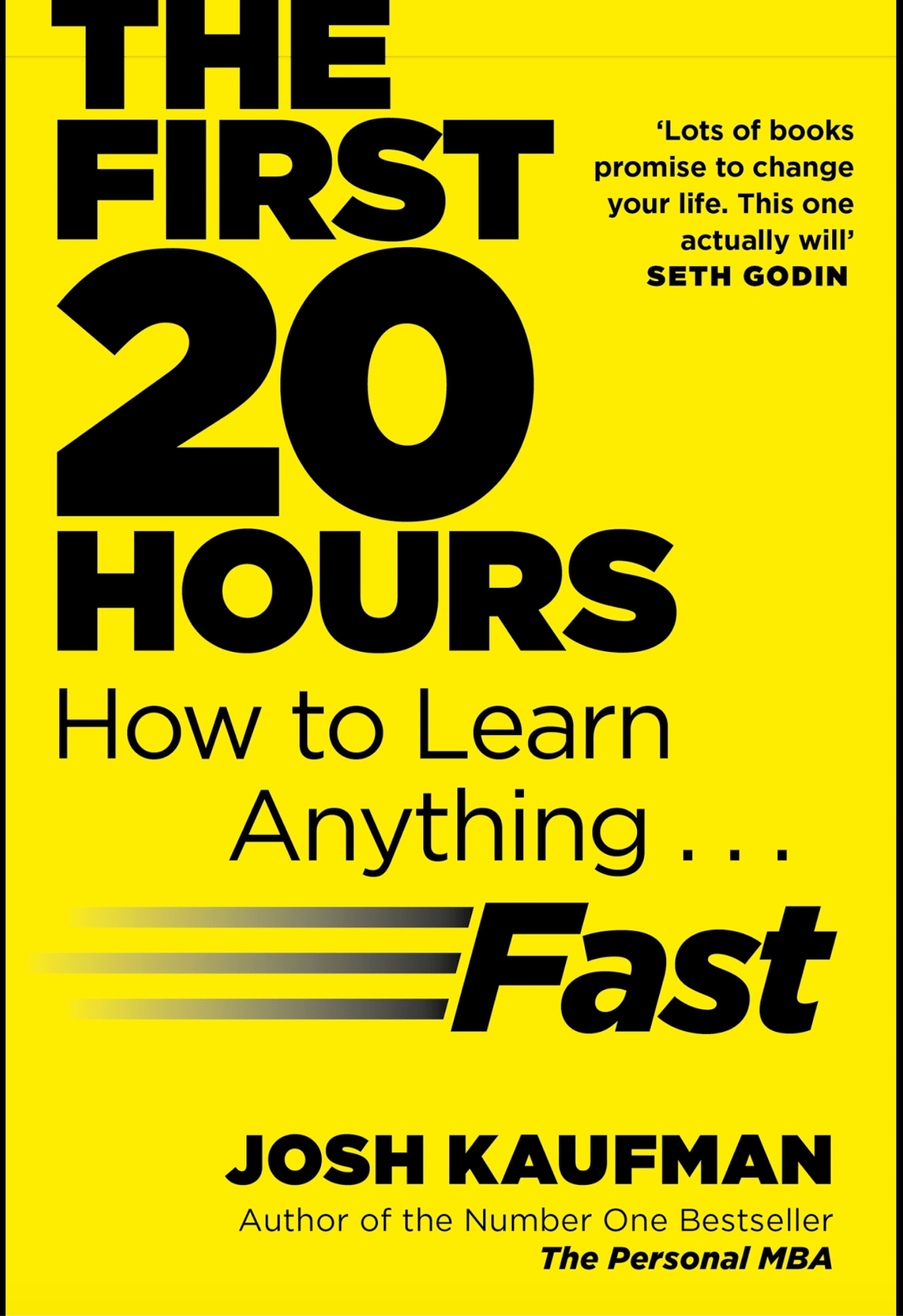
The First 20 Hours – Josh Kaufman
A practical introduction to rapid skill acquisition and lowering the barrier to beginning new competencies.
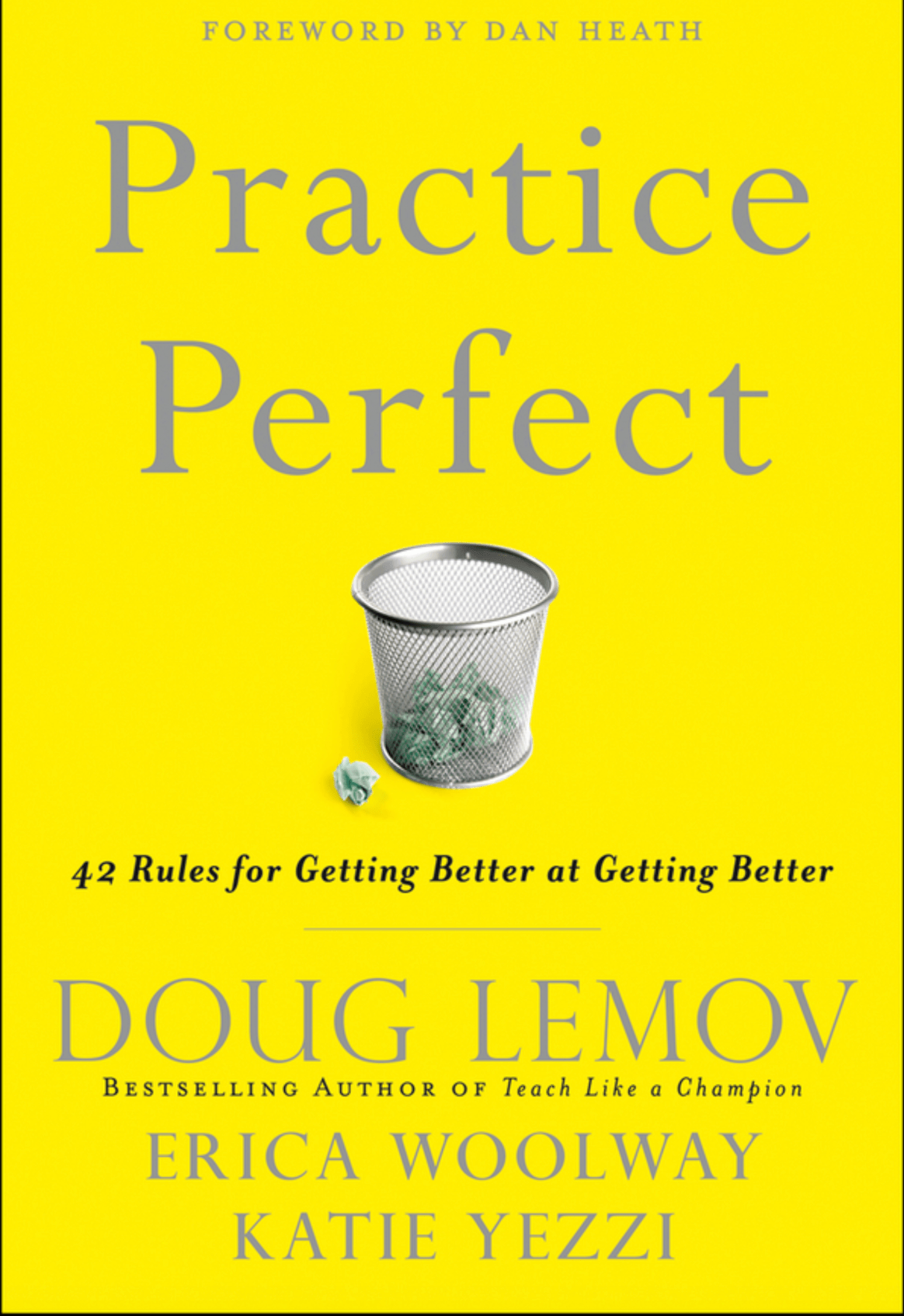
Practice Perfect – Doug Lemov, Erica Woolway & Katie Yezzi
A structured exploration of deliberate practice and the mechanics of skill refinement.
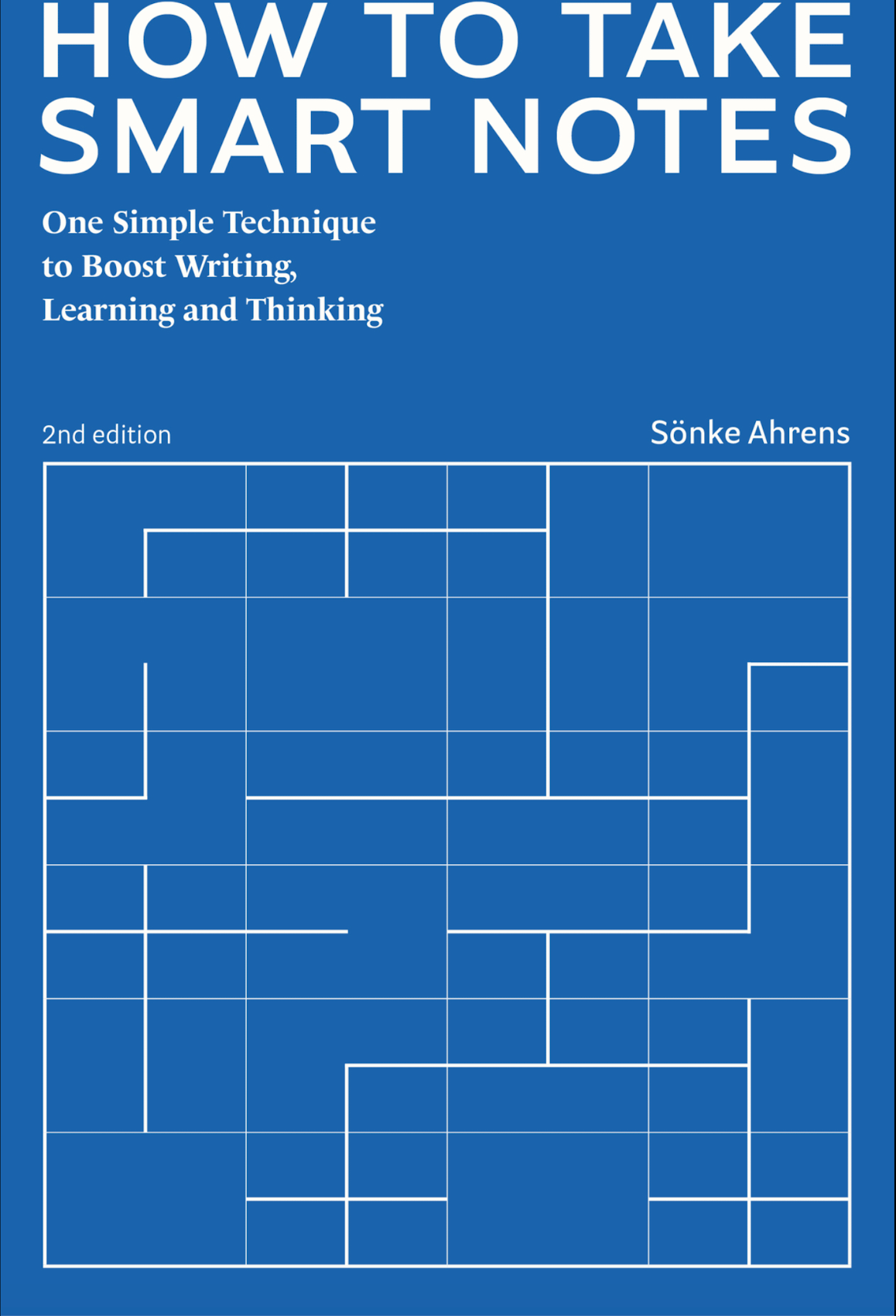
How to Take Smart Notes – Sönke Ahrens
A systems-based approach to externalising thinking and improving knowledge integration.
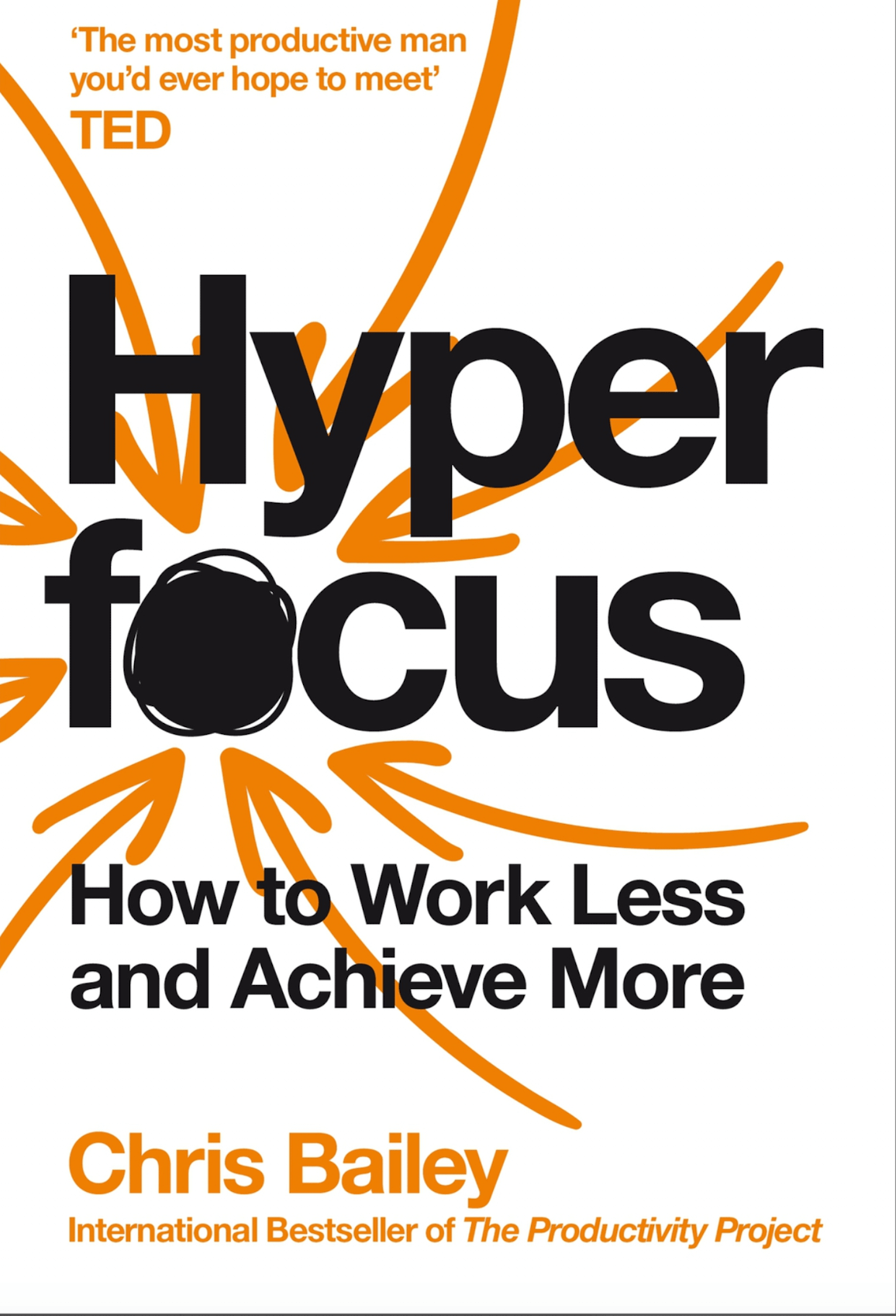
Hyperfocus – Chris Bailey
An examination of attention management and cognitive performance in environments saturated with distraction.
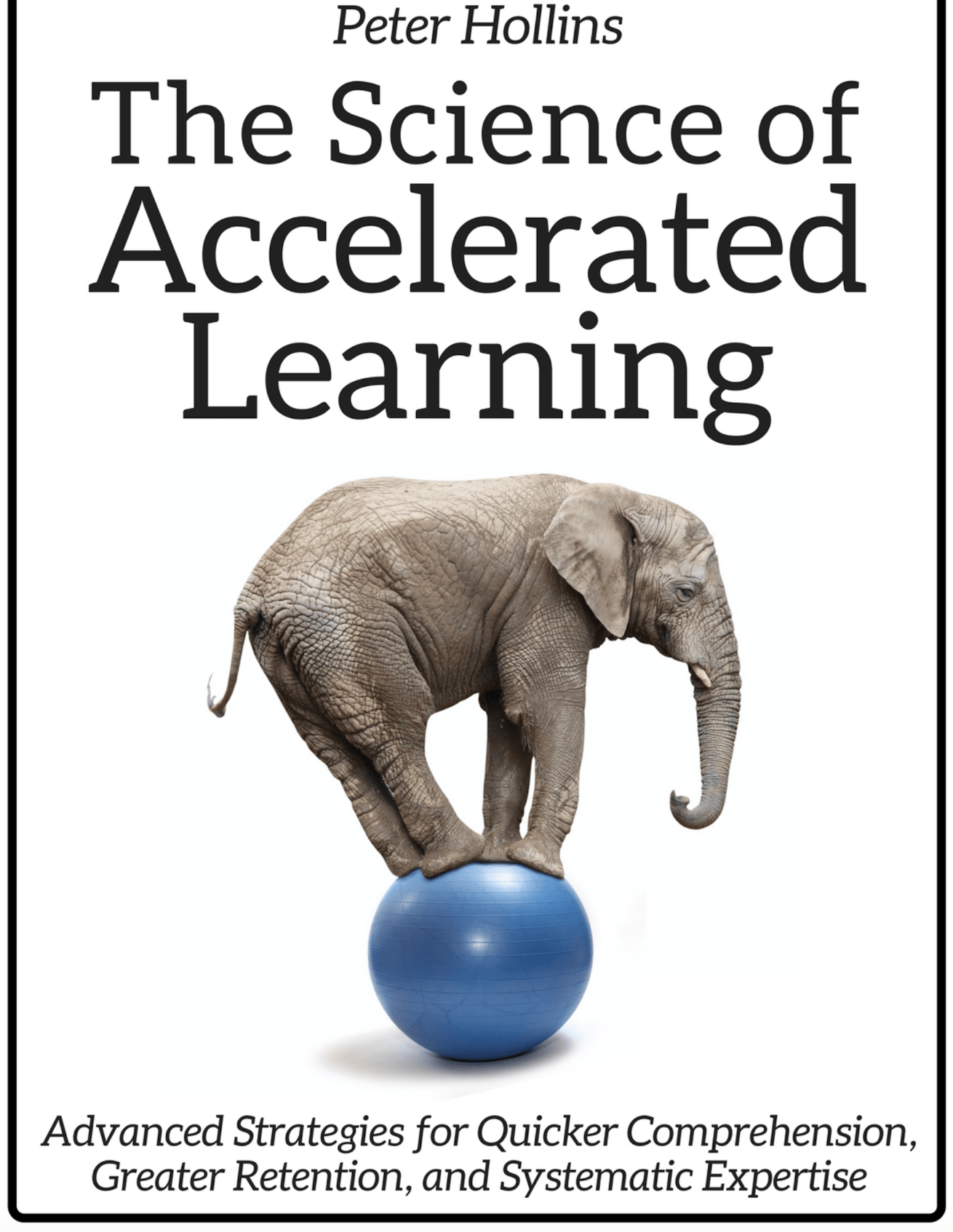
The Science of Accelerated Learning – Peter Hollins
A synthesis of research-informed techniques to improve comprehension and retention.
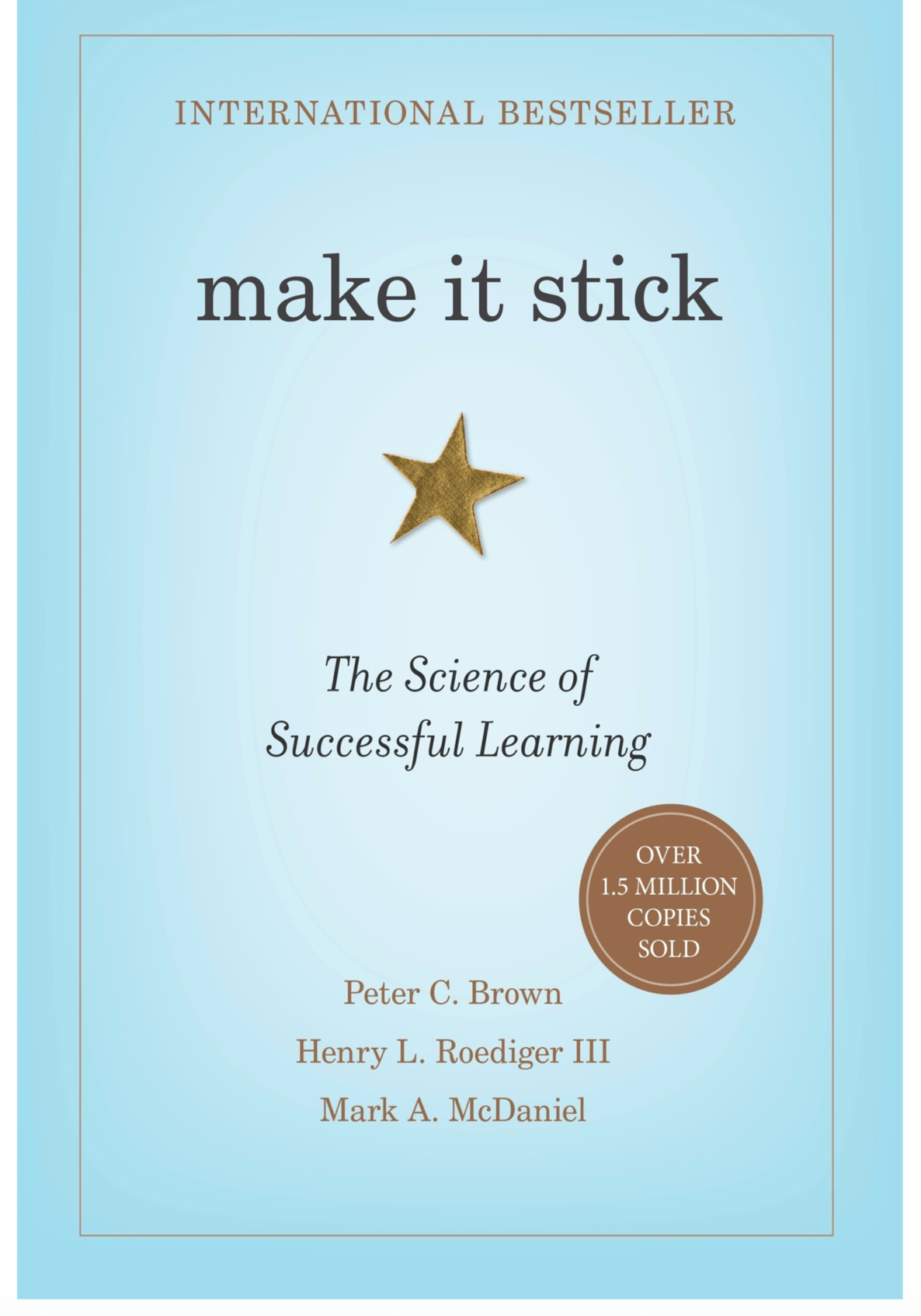
Make It Stick – Brown, Roediger & McDaniel
A foundational text outlining retrieval practice, spacing, and the testing effect.
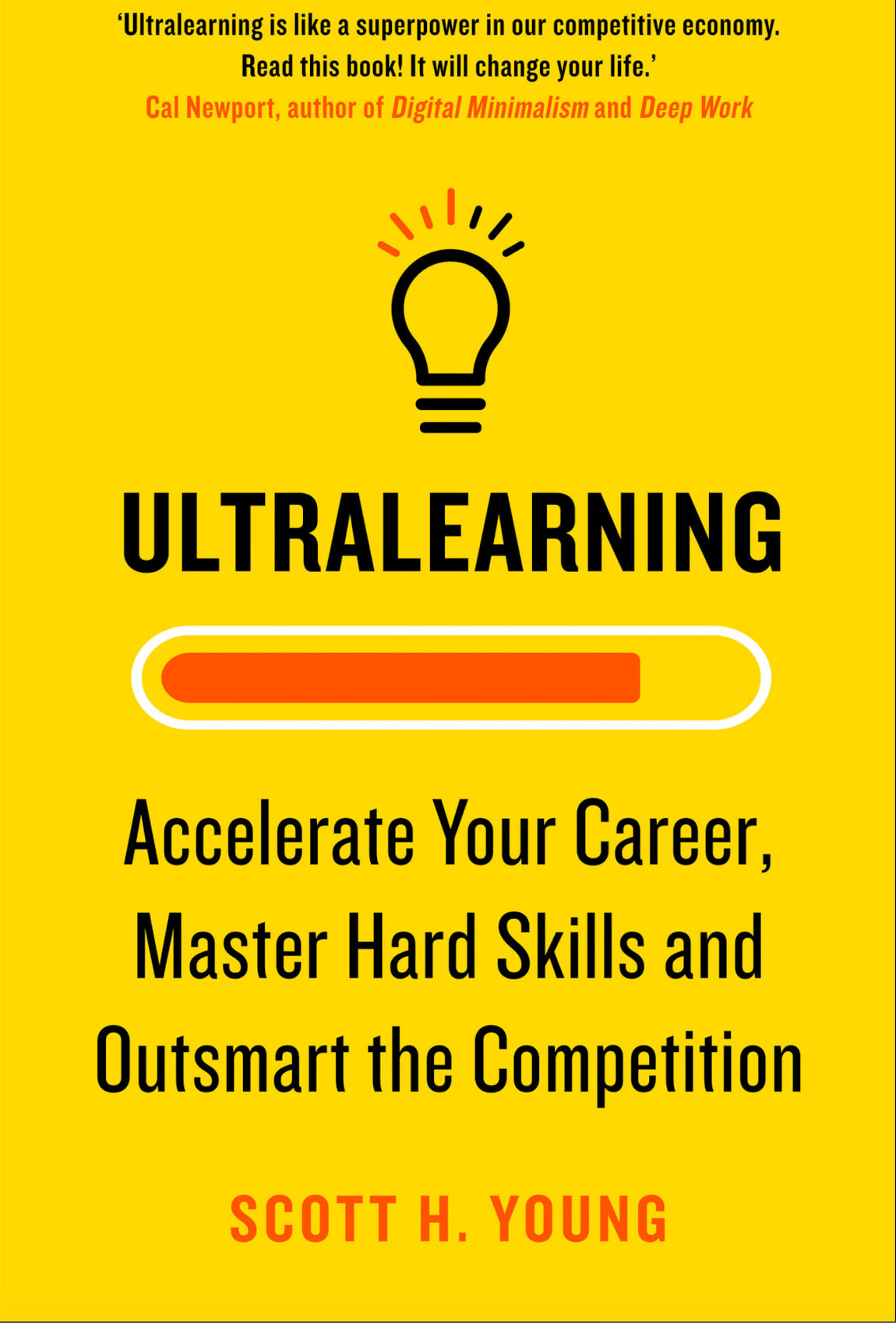
Ultralearning – Scott Young
A discussion of intensity, feedback, and direct practice in mastering complex skills