Author: Ruvini Vithanage
Introduction
- Sustained effort and psychological steadiness matter as much as knowledge
- Difficulty is an expected feature of high-level training — not evidence of failure
- The capacity to adjust and continue is what separates preparation from avoidance
Mindset becomes critical during this process. Fellowship preparation demands sustained effort and psychological steadiness. There will be setbacks, periods of fatigue, and moments where confidence wavers. The margin for passive preparation is small, and progress relies on consistent, deliberate work over time. However, difficulty should not be interpreted as failure – it is an expected feature of high-level training. The capacity to remain composed, adjust strategy when needed, and continue despite temporary dips in performance is what ultimately separates preparation from avoidance.
Studying to Pass
- Commit to the standard required and work toward it consistently
- Identify weaknesses early and practise under exam conditions
- The exam rewards intention — not hope
This may sound obvious, but many trainees lose clarity of purpose halfway through preparation. Fatigue sets in, confidence fluctuates, and the goal quietly shifts from aiming to pass to simply “seeing how it goes.” Unfortunately, this approach rarely ends well. Exams reward intention and preparation, not hope. Studying to pass means committing to the standard required and doing the necessary work consistently, even when motivation is low. It involves identifying weaknesses early, practising under exam conditions, and being honest about what still needs improvement. The goal is not perfection – it is readiness. Deciding early that you are preparing to pass helps guide how you study, how you prioritise your time, and how seriously you engage with the process.
Preparing for the whole exam
- The written exam, viva, and hot cases reinforce each other
- Preparing for each in isolation leaves gaps
- Progress in one area naturally strengthens performance in the others
It is tempting to treat the written exam, viva, and hot cases as separate hurdles, but in reality they influence and reinforce one another. The written exam builds the knowledge base and structure of thinking that supports clear, organised reasoning in the viva. Viva preparation then forces you to articulate decisions and often reveals gaps in understanding that are less obvious when studying alone. Hot cases test whether that knowledge and reasoning can be applied safely and efficiently in real clinical situations. Preparing for only one component in isolation can leave weaknesses exposed elsewhere. Approaching preparation as a whole also allows adequate time to develop competence in each section, rather than arriving at the practical components underprepared and relying on a rushed performance. Studying with integration in mind – learning concepts well enough to write about them clearly, explain them aloud, and apply them at the bedside – means progress in one area naturally strengthens performance in the others.
“Perfection is the enemy of good”
- Waiting until you feel ready is a form of avoidance
- The exam rewards clarity and structure under pressure — not perfection
- Progress comes from imperfect attempts, feedback, and iteration
Perfection is often the quiet saboteur of progress. In fellowship preparation, the pursuit of flawless notes, exhaustive reading, or perfectly structured answers can delay the far more important work of active practice and feedback. The exam does not reward perfection; it rewards clarity, structure, and safe clinical reasoning delivered under pressure. Waiting until you “feel ready” or until your understanding feels complete can become a form of avoidance. Progress comes from iterative improvement: attempting questions before you are comfortable, rehearsing vivas imperfectly, and refining answers over time. Competence grows through repetition and adjustment, not through polishing in isolation.
Growth Mindset
- Ability develops through effort, strategy, and feedback — not fixed talent
- View skills as trainable, especially when confidence dips
- The exam rewards adaptation
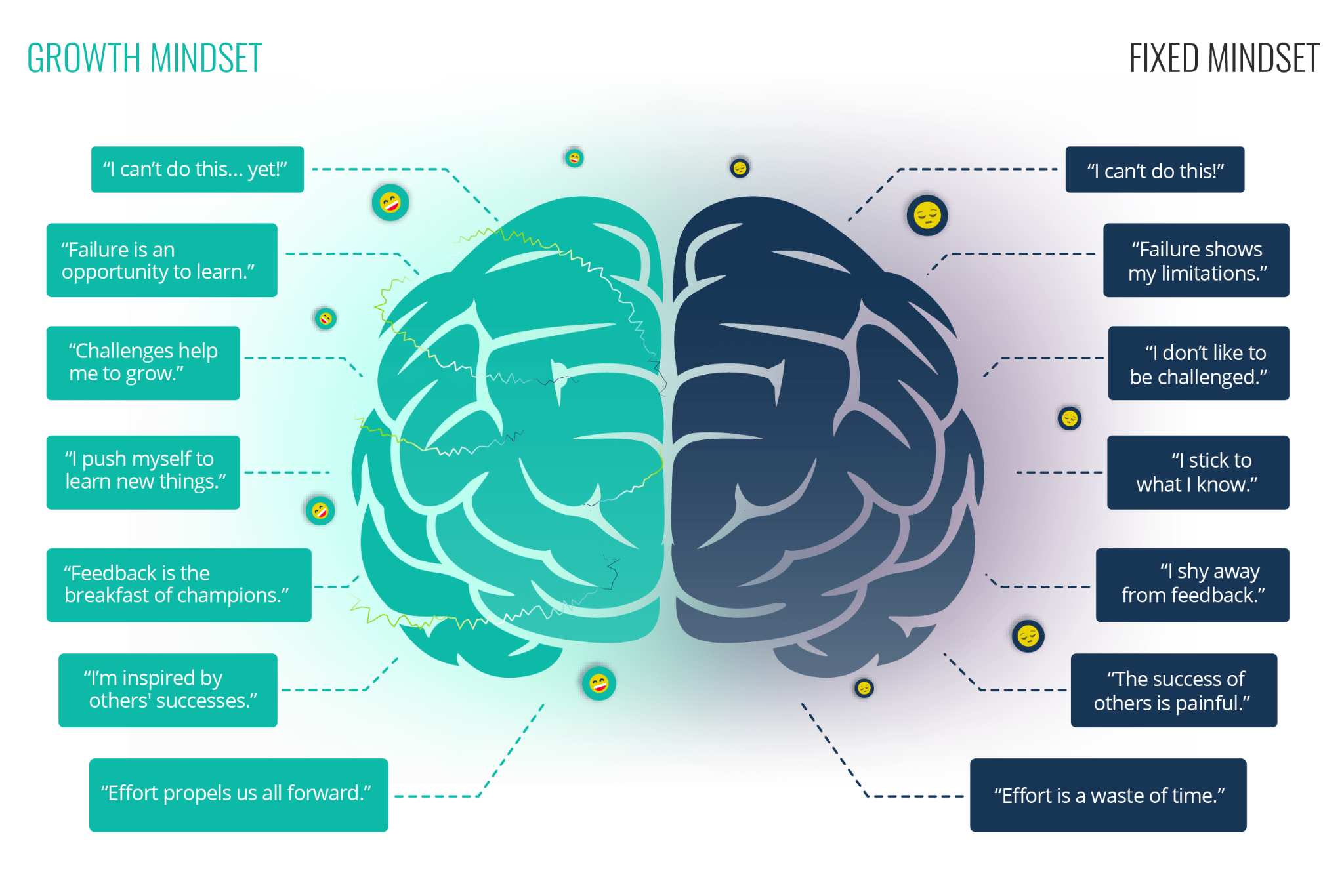
Exam preparation is not simply a function of study hours. It is shaped by how you respond when learning feels slow, when practice questions go poorly, or when confidence dips. A growth mindset, as described by Dr Carol Dweck, is the belief that ability can be developed through sustained effort, effective strategies, and constructive feedback. Adopting this perspective can be particularly valuable during fellowship preparation, which is often emotionally demanding and feedback-intensive. While easier said than done, especially in the face of repeated performance scrutiny, striving to view skills as developable rather than fixed can be protective throughout what is often a prolonged and demanding process. The exam rewards adaptation, not fixed talent. Dr Dweck’s TED talk, Developing a Growth Mindset (2014), offers an accessible introduction to this framework.
(Cloke, 2025)
In preparing for the CICM Fellowship examination, trainees may benefit from intentionally cultivating these beliefs. Drawing on the approach described by Freeman-Sanderson (2024), the following section outlines practical steps to develop a growth-oriented approach. When applied consistently, this mindset can make preparation more sustainable and more effective over time.
1. Move Toward Difficulty
It is natural to gravitate toward topics that feel familiar, but improvement usually comes from engaging with what feels uncomfortable. Difficult questions and weak areas are not signs of failure – they show you where learning needs to happen. Treating a challenge as part of the process, rather than something to avoid, helps turn frustration into progress. Effort counts, even when performance is not where you want it yet.
2. Build Persistence, Not Perfection
Exam preparation is rarely linear. Some days feel productive; others do not. Setting clear, manageable goals helps maintain momentum without becoming overwhelmed. When things go badly, self-compassion matters more than self-criticism. Being harsh with yourself rarely improves learning. Speaking to peers, mentors, or supervisors can also help normalise struggles that often feel personal but are actually very common.
3. Use Deliberate Practice
Not all studying is equally effective. Deliberate practice means focusing on specific weaknesses, working just beyond your current level, and actively correcting mistakes rather than repeating what already feels comfortable. Practice questions, timed scenarios, and targeted revision are often more valuable than passive reading. Improvement comes from engaging with errors and refining your approach.
4. Let Mistakes Guide Your Learning
Getting questions wrong is uncomfortable, but it provides useful information. Instead of moving on quickly, take time to understand why an error happened. Was it knowledge, interpretation, time pressure, or exam technique? Reflecting on mistakes helps prevent repetition and turns setbacks into part of the learning cycle rather than evidence of inadequacy.
5. Seek and Use Feedback
Feedback can feel confronting, especially close to exams, but it is one of the fastest ways to improve. Asking for honest input and listening with the aim of understanding – rather than defending – helps identify blind spots. The benefit comes from applying that feedback in subsequent practice, gradually refining both knowledge and performance.
Goal setting
- Broad intentions don’t produce progress — specific, time-bound targets do
- Work backwards from the exam date to build monthly and weekly targets
- Consistency matters more than intensity
Effective goal setting provides direction and momentum during fellowship exam preparation, particularly when the volume of material feels overwhelming. Broad intentions such as “study more” are rarely helpful; progress is easier when goals are specific, measurable, and time-bound. Breaking preparation into smaller targets – such as completing a set number of SAQs each week, covering defined syllabus areas, or scheduling regular viva practice – helps maintain consistency and makes progress visible. Clear goals also allow adjustment when timelines slip, reducing anxiety and preventing last-minute cramming. The aim is not rigid perfection, but steady forward movement, ensuring that preparation remains purposeful and aligned with the standard required to pass.
A practical way to approach goal setting is to work backwards from the exam date. Start by identifying the major components of the exam and the syllabus areas that need to be covered, then divide these into monthly and weekly targets. Each study week should include a mix of knowledge acquisition, retrieval practice through SAQs, and viva or clinical preparation, rather than focusing on only one area. Goals should be realistic enough to be repeatable alongside clinical work, as consistency matters more than intensity. Regularly reviewing progress – for example, at the end of each week – allows goals to be adjusted early, preventing small delays from accumulating into last-minute pressure.